

Here at Continal Underfloor we are specialists in underfloor heating solutions. Just take a look at our case studies and testimonials to see how happy our customers are with their systems.

Harder floor coverings such as wood, concrete or tiles are more thermally conductive than carpets, for example, making them better at transferring the heat from the UFH to the room above, but that doesn’t mean that you can’t pair carpets with UFH successfully – you just need to make sure you fit the right UFH system in that area.
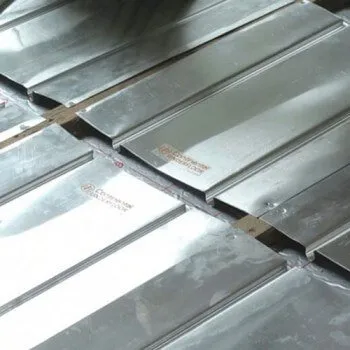
As the underfloor heating industry just keeps growing, we’re incredibly proud to be a part of it, and to be growing alongside it. Research released this week has shown that if you want to benefit from the best underfloor heating solutions over the next five years, Europe is the place to be, and we’re delighted to be in a position which allows us to provide the best heating solutions that customers are increasingly demanding.
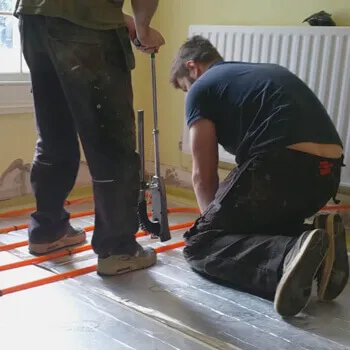
In short, yes. Blog over, right? Well, no; it’s always handy to have answers for your customers when they inevitably ask this very question about the available underfloor heating designs and capabilities; we’re sure you’ve been there. So, let’s give you the facts. While underfloor heating is often seen as the new technology on the block, coming along to replace radiators - perceived as the archaic and traditional method of heating...

Ever bought something only to have that feeling of remorse once the deal is done? If your customers are considering underfloor heating, it’s going to be a big decision. What sort of system they go for and who they get to design it are just two of the questions that need answering.