
It’s a turbulent time for the heating industry. The government plans to phase out gas boilers in newbuilds from 2025 and is encouraging homeowners to get heat pumps installed to improve their properties’ energy efficiency.
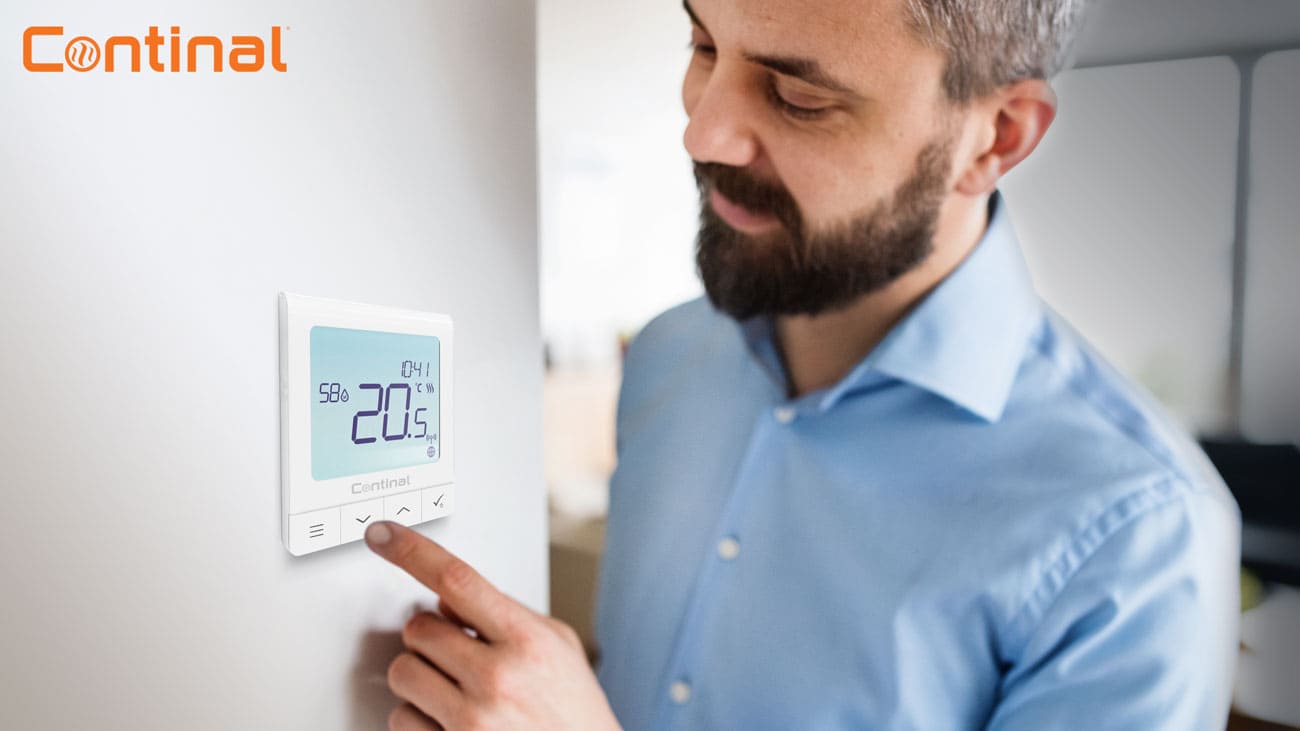
October and November are among the busiest months in the calendar for plumbers and heating engineers, often resulting in long hours as you try to get to as many people as possible. While there isn’t much you can do to prevent the late-night call from a customer whose boiler won’t turn on, there are things that homeowners can do to help keep their underfloor heating in tip-top condition.
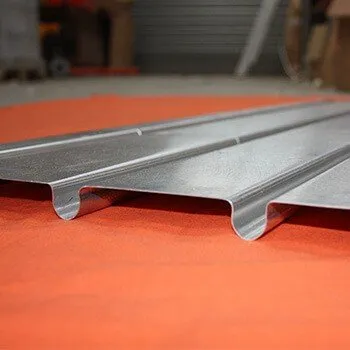
Underfloor heating has transformed itself from a distant mumbling amongst contractors to a vibrant topic of conversation amongst builders, home owners and construction planners alike. Efficient and easy to install into any building project, under floor heating systems have taken over the all important task of keeping a building warm. Sorry radiators, but you just don't cut it anymore.
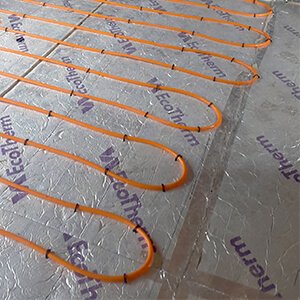
Most people think that fitting underfloor heating is a highly skilled and specialist job, but that isn’t necessarily the case. You can fit it yourself if you are a competent DIYer.
The number of heat pump installations in the UK has increased dramatically in recent years; when correctly sized and installed with a properly designed heat emitter they deliver savings in two key areas compared with a conventional heating system.